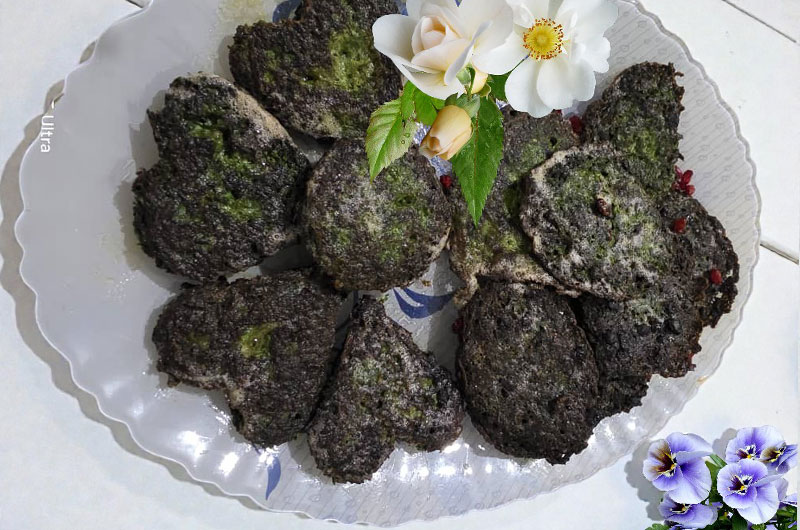
How to Make Kuku Sabzi
When you walk into a greengrocer’s shop, especially when the herbs are fresh, cleaned, and already chopped, their aroma instantly captivates you. This is one of the greatest pleasures of my cooking journey. I truly love when the scent of fresh herbs gently fills my senses. Kuku Sabzi delivers exactly this experience. If you enjoy the aroma and flavor of fresh herbs and are looking for a quick and delicious dish, this is one of the best choices you can make.
Kuku Sabzi is perfect for a breakfast table, a light dinner, or even a nutritious and tempting snack for your child. Give it a try.
The Aroma of Fresh Herbs; The Secret Behind Kuku Sabzi’s Popularity
For this dish, always use fresh herbs. Using fresh herbs gives Kuku Sabzi its cool and refreshing character.. Frozen or old herbs tend to release excess water, which can ruin both the texture and appearance of the dish. Therefore, make sure to use fresh coriander, leek, spinach, parsley, dill, and a small amount of spring onion. You can either buy them fresh or use the herbs you already have in your refrigerator that you have kept fresh using the method I previously explained (if you are not familiar with it, you can click on the article How to Keep Herbs Fresh in the Refrigerator for 22 Days). Then, place them in a food processor.
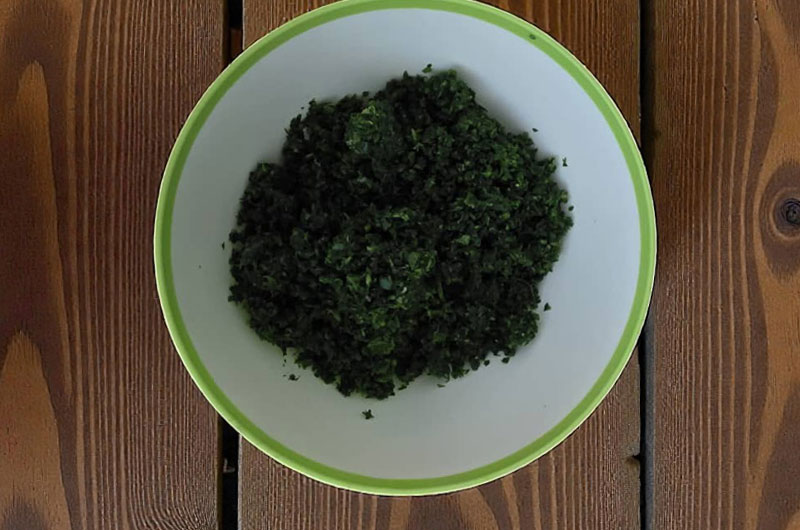
If you want larger pieces of herbs, use a knife and chop them by hand. Kuku Sabzi, when combined with walnuts and a small amount of fresh barberries, becomes truly irresistible, and you can be sure that the temptation to eat it will not leave you alone.
Traditional Methods in Iran
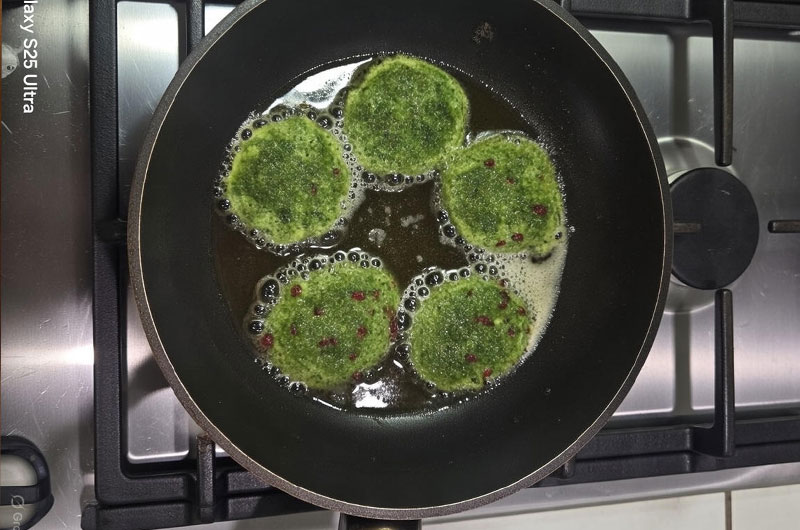
This dish is prepared in two main ways: either baked in the oven or fried in a pan. Some people shape it into smaller portions, similar to cutlets, to achieve a crispier texture and more even cooking. I explain all of these methods in this article. To prepare this light and delicious dish, you only need a few simple and affordable ingredients. Kuku Sabzi is even served on appetizer tables in Iranian restaurants.
From My Iranian Kitchen to Yours
I am Iranian, which allows me to share authentic dishes prepared in the traditional style of Iranian homes. I would be happy if you send photos or videos of the food you cook, so I can share your experience on the website along with your comments. This gives me extra motivation to prepare and share both local and regional Iranian recipes with you.
This delicious dish is best served with strained yogurt or regular yogurt. The perfect drink to enjoy alongside kuku Sabzi is thick traditional Iranian doogh, and I have shared the recipes for both with you.
How to Make Kuku Sabzi
Course: Breakfast, Appetizer, Light MealCuisine: persian, IranianDifficulty: easy4
servings30
minutes40
minutes300
kcalIngredients
Fresh mixed herbs (about 500 g total)
Parsley, coriander (cilantro), leek, dill, spinach, and a small amount of spring onionEggs: 4 medium
Walnuts, finely chopped: 50–70 g
(about ½ cup, optional but recommended)Barberries: 2–3 tablespoons
Rinsed and well drainedFresh garlic: 1–2 cloves, crushed
or
Garlic powder: ½ teaspoon (optional)Salt: 1 teaspoon (or to taste)
Black pepper: ½ teaspoon
Turmeric: ½ teaspoon
Mild chili powder or red pepper flakes: a pinch (optional)
Ground cinnamon: a pinch (optional)
Nutmeg, freshly grated: a pinch (optional, restaurant-style)
Slivered almonds: 1–2 tablespoons (optional, for garnish)
Sesame seeds: 1 tablespoon (optional, for garnish)
Directions
- Step One: Preparing the Herbs
First, clean the herbs thoroughly and wash them well. Then allow them to drain completely until no excess water remains. Once the herbs are fully dry, place them in a food processor or chop them finely using a knife.
Do not forget two important points. First, always wash the herbs before chopping them. If you chop the herbs first and then wash them, the color of your Kuku Sabzi will turn darker. Second, when cleaning the herbs, do not remove too many of the stems. They are both flavorful and nutritious.
After that, crush a small amount of fresh garlic and add it to the herbs along with a little olive oil. This step is optional; you can omit it or use garlic powder among the spices instead. - Step Two: Mixing the Ingredients
At this stage, add a small amount of flour to the herbs. Flour helps improve the structure and gives the Kuku a better, crispier texture. Then crack the eggs one by one and add them to the mixture. (If you mix a small amount of baking powder with yogurt and add it to the ingredients, the Kuku will become lighter and fluffier.) Add the spices mentioned in the ingredients list and mix everything well so that the spices are evenly distributed and do not remain in clumps. - Step Three: Making Kuku Sabzi More Elegant
In a traditional homemade Kuku Sabzi, walnuts and barberries are not usually included. However, in restaurant-style recipes, chopped walnuts along with a small amount of fresh, washed barberries are added to the mixture. The mild tanginess of the barberries creates a pleasant flavor on the palate, while the walnuts make the dish more nutritious. You may choose to omit them if you prefer. - Step Four: Cooking the Kuku Sabzi
If you would like a neat, elegant, and beautifully presented Kuku Sabzi for your table, line a baking dish with parchment paper and lightly grease it with oil. Pour the mixture into the dish and place it in the oven for about 10 to 15 minutes. You may cover the dish with foil and sprinkle some sesame seeds, walnuts, or almonds on top for decoration. Once cooked, this will give your Kuku a more attractive appearance.
Serve your Kuku Sabzi on a dish and decorate it however you like. Enjoy your meal.
Important “Don’ts” When Making Kuku Sabzi
- ❌ Do not use wet or partially dried herbs
Excess moisture causes the Kuku to fall apart, release water, and turn dark in color. - ❌ Do not wash the herbs after chopping them
This will darken the color of the Kuku and leave a raw herbal taste. - ❌ Do not add too many eggs
Too many eggs turn the Kuku into an omelet-like dish and remove its herb-based texture. - ❌ Do not cook over very high heat
High heat burns the surface while leaving the inside undercooked. - ❌ Do not use frozen or old herbs
The appearance of the Kuku will be affected, and the fresh herbal aroma will disappear. - ❌ Do not add too much flour
The Kuku becomes heavy and bread-like, losing its delicate texture. - ❌ Do not fully cover the pan when frying
Trapped steam causes the texture to become soft and doughy.