
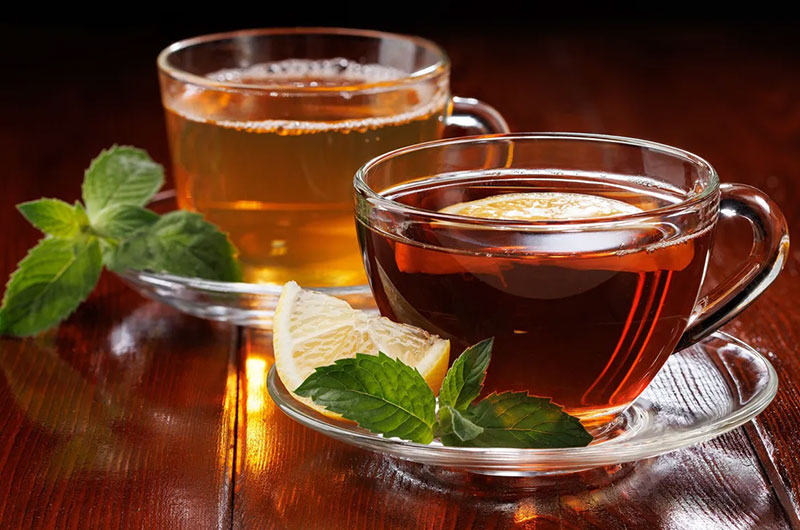
How to Brew Fragrant Iranian Tea (Chaii)
Usually, Iranians brew Iranian tea during the day to shake off tiredness. It’s one of the best and most popular drinks in Iran—and honestly, in the world too. With the very first sip, many Iranians travel back into their memories and feel the fatigue leave their body.
Tea comes in many types: black tea, green tea, fruit teas, and also plain or flavored teas. But the best and most commonly consumed one is still the same: Iranian black tea.
To brew a simple black tea, we don’t need much—just a teapot, some tea leaves, and maybe a little dried rose petals or cardamom. But the truth is, if you want a really good cup of tea, the first question is: what kind of tea should we buy, and how do we know it’s high quality or not?
and then How to Brew Iranian Tea….
Types of Iranian Black Tea & How to Brew Iranian Tea
Tea is picked in three main harvests, and each harvest has its own aroma and taste: spring tea, summer tea, and autumn tea. Spring tea is usually more fragrant and has a beautiful amber color. Summer tea is a bit stronger and darker. Autumn tea is usually lower in quality, and its aroma doesn’t last as long.
In Iran, tea is mostly grown in the northern regions. But for many of us, the best tea is usually bought from Gilan Province, especially Lahijan and Fuman. A premium tea doesn’t have lots of broken bits; the leaves are more even, and there isn’t much “tea dust” mixed in. Also, you can smell its fresh aroma—it shouldn’t smell old or stale.
And if you buy spring-harvest tea, you’ve basically bought the best tea you can find in Iran. The kind and tasteful people of northern Iran often give you better quality tea at a more reasonable price. If you ever travel to Iran and visit our northern provinces, make sure you stop by Gilan and Fuman.
Next to tea, Rudbar olive paste (Zeytoon Parvardeh) adds an amazingly delicious taste to your food. Honey-style olives and the famous cookies from northern Iran are also among the best souvenirs.
How to Brew Fragrant Iranian Tea (Chaii)
Difficulty: EasyTo brew a good Iranian tea, you don’t need many ingredients. The beauty of this tea is in its simplicity. All you really need is good-quality Iranian black tea, fresh water, and a teapot. That’s the base of everything.
Ingredients
Fresh water
Iranian black tea leaves
A teapot and a kettle
Directions
- There isn’t any big secret. Put the kettle on the stove (or turn on your electric kettle). When the water boils, add some tea leaves into the teapot, along with cardamom or dried rose petals.
Pour a little hot water over the tea, then place the teapot on top of the kettle so it brews gently with steam. After about 10 minutes, you’ll have a wonderful, well-brewed tea.
Add-ins for Iranian Tea
You can mix Iranian tea with different spices or natural flavorings. Each one has its own aroma and taste—and honestly, it can make drinking tea feel 100 times more enjoyable. People often choose different aromas for different occasions. Here are some of the most common ones: & How to Brew Iranian Tea with Spices? ok let’s go
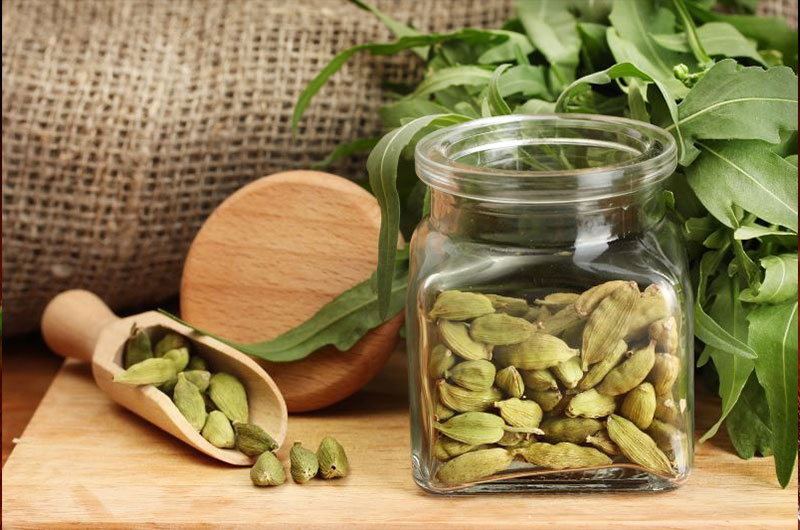
Cardamom
It gives tea a warm and “formal” aroma. Iranians often use cardamom in official gatherings and engagement ceremonies. Just drop one or two cardamom pods into the teapot with the tea leaves and let it brew.
Cinnamon
Warm, a little sweet, and slightly sharp—perfect for winter. It’s better to use a cinnamon stick rather than powder, so it doesn’t overpower the tea.
Saffron
For special parties and gatherings, saffron—our famous Iranian “red gold”—is used. The color it creates, especially with spring tea, is honestly hard to describe. Try it on a cold winter day, sitting by the window near a fireplace, and you’ll understand the feeling of kind Iranian grandmothers and the stories of Yalda Night (the longest night of the year, which Iranians celebrate).
Damask Rose (Gol Mohammadi)
I will never forget the scent of the Damask roses my father used to grow in his beautiful garden. After the roses bloomed, my mother and father would pick a big bundle of them and bring them home. The smell filled our house—like you were walking in a garden of heaven. The house would be full of soft pink flowers, so lovely that sometimes, just from the smell, I wanted to take a bite.
My mother would dry the petals to use in afternoon tea: a bright tea in slim Iranian tea glasses, biscuits, bread and cheese, and even dried mulberries. Those afternoons were truly beautiful and unforgettable.
The Scent of My Memories
In the afternoons, my father would tell us stories he had read—life lessons, and how to choose a better path in life. For me, these flowers carry the scent of those childhood afternoons at home.
And by the way, you can also add cardamom next to dried rose petals—I’m sure you’ll love how well they match.
Orange Blossom (Bahar Narenj)
I remember we had an orange blossom tree in our yard. When orange blossom season came, my mother would spread a cloth under the tree so the flowers wouldn’t fall on the ground and would gather on the cloth instead. Orange blossom had a strange, special smell—somewhere between dream and reality. Those fragrant white flowers would later become bright oranges. I feel these memories with my whole heart. These little moments are what make tea so comforting—small excuses for big happiness.
It’s better to use orange blossom in small amounts. This dreamy flower is also used as a calming herb.
Ginger
Spicy but fragrant—like those strong spicy chewing gums you can’t stop chewing. A fresh and energizing flavor.
Mint
Of course, you know the taste of mint. Personally, I prefer orange blossom tea more than mint tea. Mint reminds me of childhood stomach aches and the mint water my grandmother used to make. Mint is better for lighter teas.
Citrus Flavors
Dried lemon peel or orange peel can be great if you enjoy a bit of sourness and citrus aroma.
Quince Tea
This one is one of the sweetest memories for me. My father’s orchard was full of quince trees. My mother would grate quince, dry it, and use it in tea. It gives a gentle, sweet taste without that astringent feeling quince can sometimes leave in your mouth—like the quince has given up its bitterness. It was one of my favorite teas.
Other Add-ins
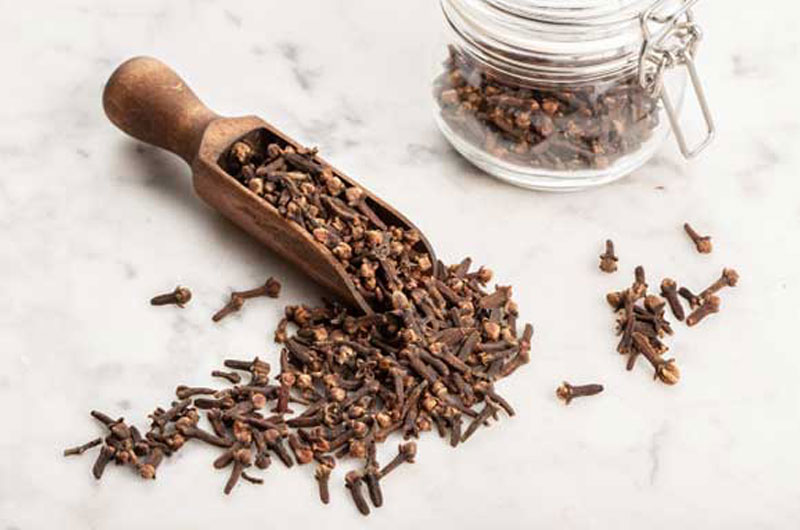
Cloves are another option, but the smell is very strong—so one clove per teapot is usually enough. Star anise also has a special and different aroma.
In the end, tea sweetened with rock sugar (nabat), plus a piece of fresh sangak bread and cheese, is for me a perfect and comforting afternoon meal.
Iranian tea is not just a drink—it’s a story of calm, memories, and togetherness.
Everyone has their own tea memory.
Enjoy!
As an Iranian, I am proud of the rich and beautiful culture of Iran. I believe this culture goes far beyond today’s stereotypes and assumptions.
I love Iran and the Iranian people, and now, through these delicious Iranian dishes, I want this rich and genuine culture to live on.
If you’d like to cook Iranian food, I would love it if you sent me photos so I can share them with the world. This is the world of Iranian cuisine—from authentic Ghormeh Sabzi to elegant festive rice dishes (Polo). I hope you cook, enjoy, and truly savor every moment.