Restaurant-Style Gheimeh Secrets, Step by Step Recipe
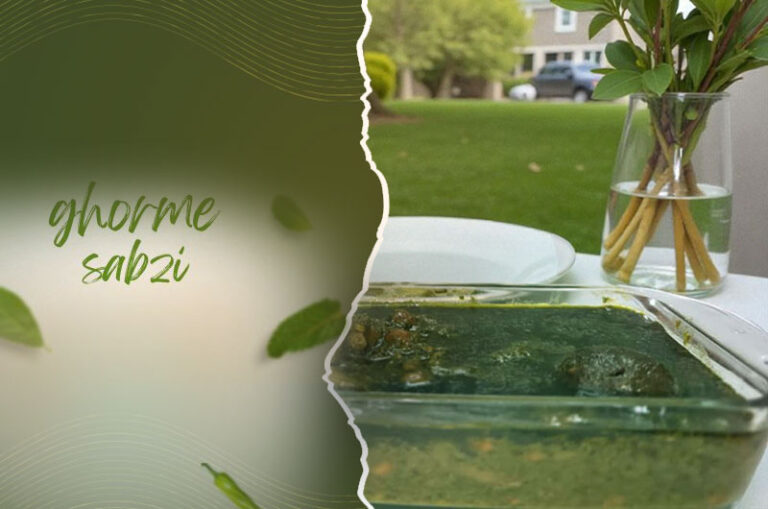
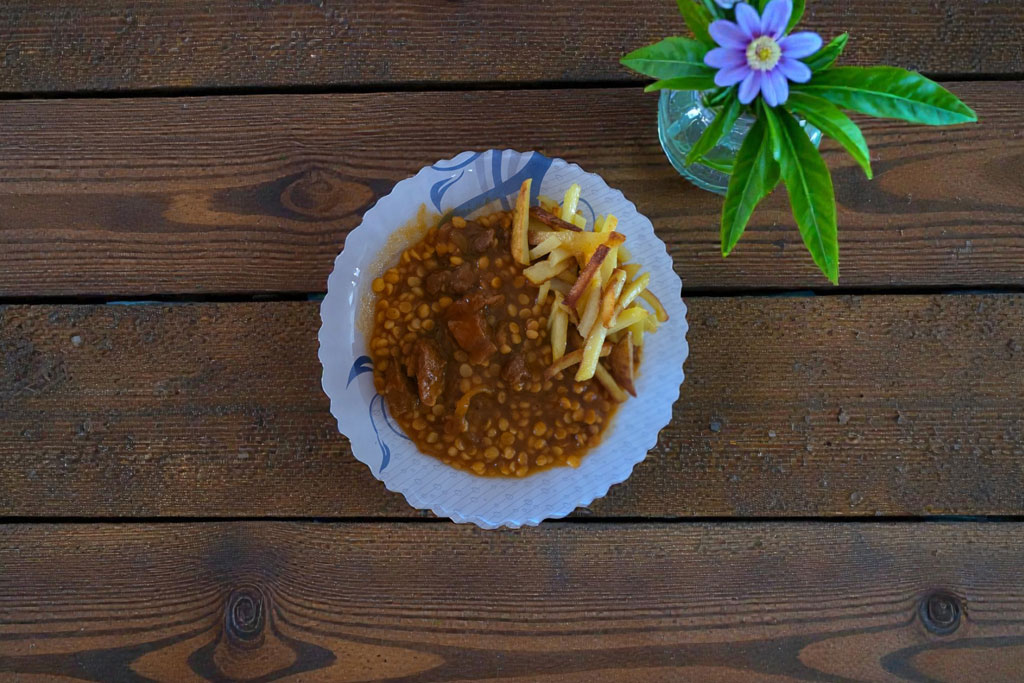
One of the most popular and delicious Iranian stews is Gheymeh. Some people add cooked eggplant to it, which is then called Gheymeh Bademjan. This stew, which is also known in Iran as split-pea stew, is served in all traditional Iranian restaurants—just like Ghormeh Sabzi—and is popular throughout the country.
This stew is typically served with crispy fried potatoes and tahdig, usually made with lavash bread. Compared to other Iranian dishes, it is also more economical.
A special type of split pea is used in cooking this dish, and the quality of the split peas has a major impact on the final taste and texture. If the peas are slow-cooking, they may remain firm and dry in the stew, and this prevents your stew from becoming rich and restaurant-quality. On the other hand, some types cook too quickly and fall apart, which affects both the taste and appearance. Therefore, make sure to check the quality and brand of the split peas you buy to understand their cooking time.
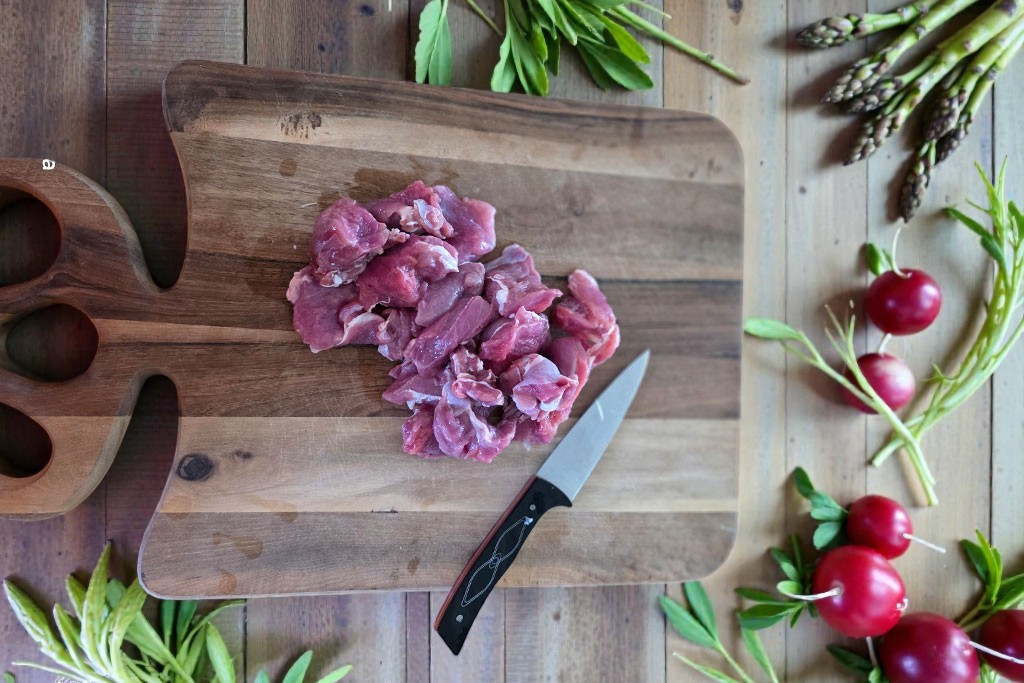
For serving this dish, be sure to include crispy fried potatoes along with Shirazi salad and Iranian doogh to enjoy the taste of a complete Iranian meal.
🟩 Important Tips for Cooking Authentic Iranian Gheymeh
- Soak the split peas for one hour before cooking so they cook better.
- Always sauté the split peas. Many recipes boil them from the start, but sautéing removes their raw smell, prevents them from falling apart, and improves their color.
- Choosing the right cut of meat is essential. If the meat is not suitable for stews, the entire aroma and flavor can be ruined.
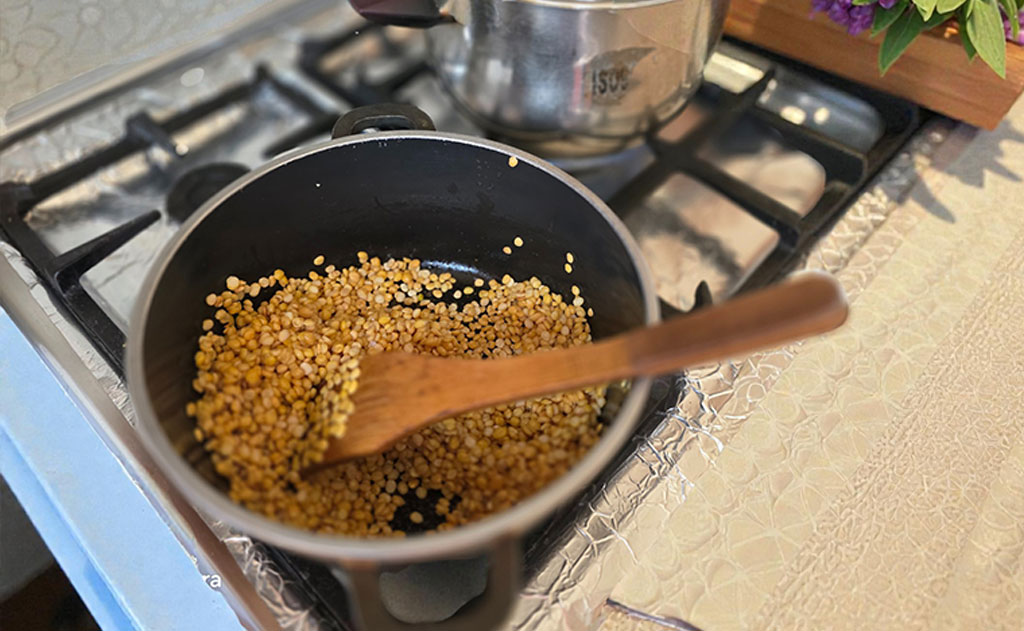
- Clean the peas thoroughly after buying them, as they often contain small stones or debris.
🟥 Common Mistakes When Cooking Gheymeh (Split Pea Stew)
Cooking peas and meat together from the start
Causes peas to fall apart, dull the sauce, and ruin the texture.
- Adding raw peas
Leads to raw flavor, uneven cooking, and dry or mushy texture. - Insufficient sautéing of tomato paste
Causes sourness, pale color, and raw taste. - Adding too many spices or all at once
Too many spices → bitterness
All at once → raw smell or throat irritation
Spices must be added in two stages. - Adding salt early
Makes meat tough and peas slow-cooking. - Adding cold water during cooking
Makes meat tough, stew cloudy, and produces excess foam. - Cooking on high heat
Causes peas to burst, meat to toughen, and sauce to over-reduce. - Using too much dried lime
Causes bitterness and dull color. - Not caramelizing onions enough
Results in a light, weak, watery stew.
- Using too much or too little oil
Too little → dull color
Too much → heavy and unpleasant
Right amount gives a glossy, appetizing surface. - Fully cooking the meat before adding peas
Leads to dry and stringy meat later. - Stirring too much
Breaks peas and creates a grainy texture. - Serving immediately after cooking
Stew will be unbalanced, not settled, and not glossy.
Needs at least 20–30 minutes of resting time.
Instructions for a Restaurant-Quality Gheymeh
Cuisine: Dessert, FrenchDifficulty: Difficult10
servings1
hour2
hours400
kcalIngredients
- Buttercream Filling
900g Mixed lamb or beef
400 -500 g High-quality split peas
4-5 Large onions
4–5 heaping tablespoons Thick tomato paste
4–5 medium Potatoes
8–10 tablespoons Oil
2 teaspoons Turmeric
1 teaspoon Black pepper
½ teaspoon or a small stick Cinnamon or cinnamon stick
2 pods Green cardamom
added at the end Salt
3–4 Dried limes (limoo amani)
Directions
- 🍲 Restaurant-Style Gheymeh Stew – Serves 10
- Step 1: Preparing the Split Peas
Wash and soak the peas for one hour. Heat a pot with a little oil and sauté the peas until their raw smell disappears. Add water and cook until they are half-cooked—not fully soft—otherwise, they will fall apart in the stew.
Do NOT cook the peas together with the meat because:
They may discolor the stew
The cooking time for meat and peas is different
Peas may fall apart
Sautéing improves their taste - Step 2: Preparing the Meat
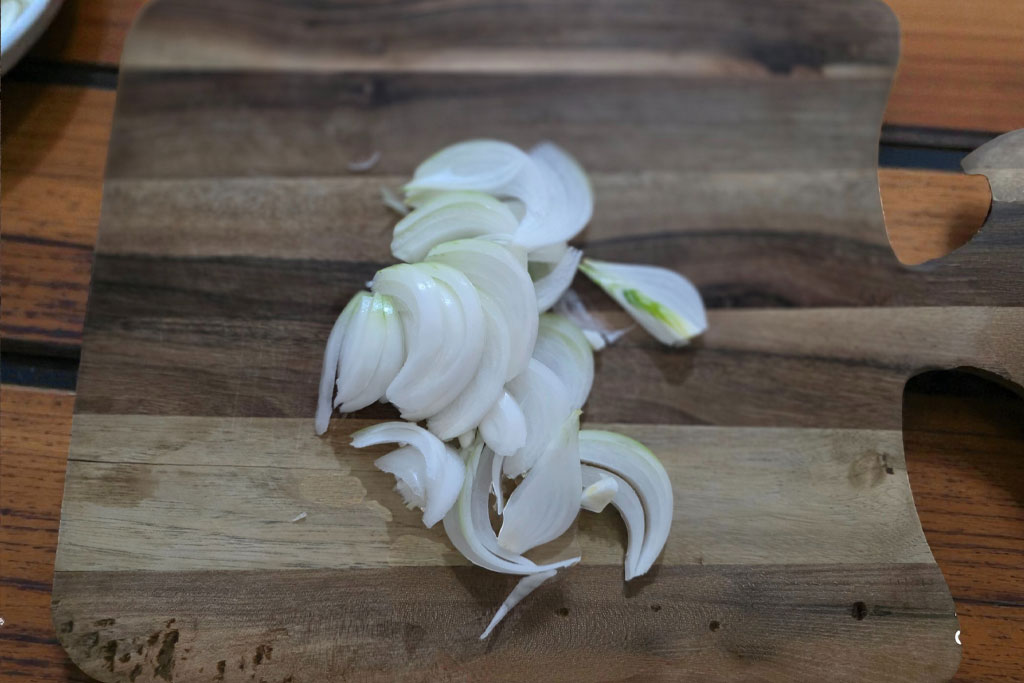
Thinly slice the onions and sauté them until caramelized (follow the caramelized onion method).
This is one of the secrets of restaurant-style Gheymeh—more onions mean better flavor, aroma, and thickness.
When the onions turn caramel brown, add the thawed meat and sauté together. Add half of the spices. Then add tomato paste and sauté thoroughly until its raw smell disappears. Add boiling water and allow the meat to cook until 70–80% done—it should soften but not fall apart.
Adding tomato paste at this stage and sautéing it well gives the stew a rich red color and removes any raw taste. If added later, the stew becomes dull and smells raw. - Step 3: Combining the Ingredients
Once the peas are half-cooked and the meat is 70–80% done, add the peas to the meat and let them cook together for 30–45 minutes. Ten minutes before the end, add the remaining spices (cinnamon, cardamom, pepper, some turmeric, and salt). Add dried limes if you want a slightly sour flavor—poke holes in them with a knife so the flavor is released.
Too much dried lime makes the stew bitter.
Let everything simmer together for the final 10 minutes. - Step 4: Resting Time
One of the most important secrets of restaurant-style stew is this step:
After cooking, turn off the heat and let the stew rest for 20–30 minutes.
This helps the flavors settle and gives you a deeply rich and properly set stew. - Final Step: Garnish
Serve the stew with crispy fried potatoes. For perfect fried potatoes, see the “Restaurant-Style Fries” guide.
Notes
- 🟩 Reader Gift
Make sure to send me a photo or video of your cooked Ghormeh Sabzi so I can feature the best submissions under this post.
The best photo will receive a beautiful and delicious PDF cookbook as a gift.
Just be sure to enter your email address correctly so I can send it to you.
If you’re a fan of this stew, I also recommend trying Khoresh Karafs (celery stew). Although its flavor profile is different, many people love it just as much, and some even prefer it to Ghormeh Sabzi.